Composting is one of the best gifts you can give your garden—and the planet! Whether you’re a beginner or seasoned gardener, creating nutrient-rich compost helps your plants thrive, reduces waste, and saves money on fertilizers. Let’s break it down with practical tips, personal stories, and advanced tricks to make composting simple, fun, and incredibly rewarding.
✅ Choose the Right Composting Spot
- Pick a level, well-drained spot: Excess water drains away, preventing your pile from becoming soggy and smelly.
- Place it in partial sun: Sun speeds up decomposition, but too much heat can dry your compost.
- Easy access matters: Choose a spot near your garden or kitchen so it’s convenient to add scraps and turn the pile.
Personal tip: I moved my compost closer to my back door, and it made adding kitchen scraps so easy that I never skipped a day!
🍎 Know What to Compost
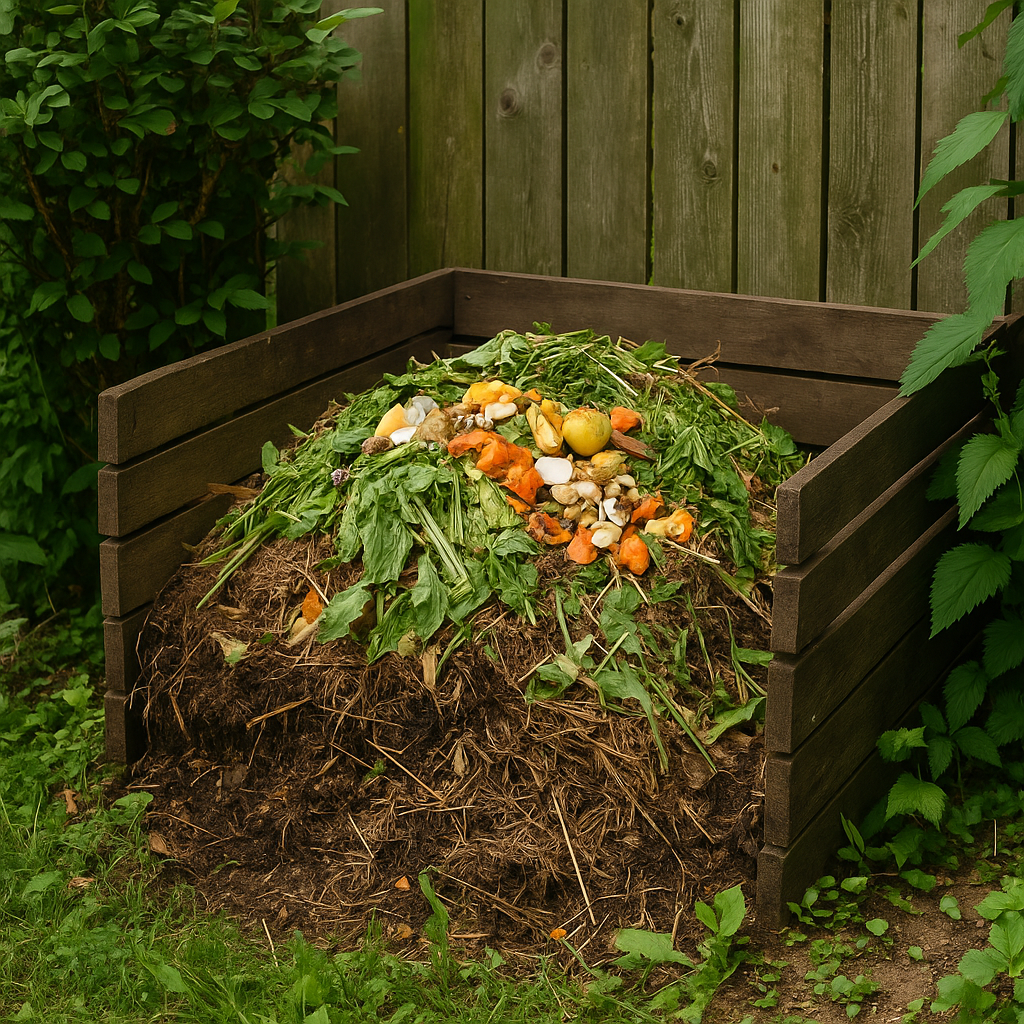
- Greens (nitrogen-rich): Fruit and veggie scraps, coffee grounds, grass clippings.
- Browns (carbon-rich): Dry leaves, straw, cardboard, shredded newspaper.
- Avoid composting: Meat, dairy, oily foods, or pet waste—these attract pests and cause odors.
Pro tip: Balance is key! Aim for a 2:1 ratio of browns to greens to keep your compost healthy and odor-free.
🔄 Layer & Maintain Your Pile
- Alternate layers: Start with coarse browns at the bottom (twigs, straw) for airflow, then add alternating greens and browns.
- Keep it moist, not wet: Like a wrung-out sponge. Dry piles slow decomposition; soggy piles can smell.
- Aerate regularly: Turn your compost every 1–2 weeks to mix materials and supply oxygen, speeding up breakdown.
🌡️ Speed Up Decomposition
- Chop or shred materials: Smaller pieces break down faster.
- Add a compost activator: A handful of garden soil or finished compost introduces beneficial microbes.
- Maintain warmth: Compost works fastest between 120–160°F (49–71°C). A black bin or covered pile helps trap heat.
🛑 Common Composting Mistakes to Avoid
- Too much of one type: Only greens or browns throws off balance—always mix both.
- Ignoring moisture: Letting your pile dry out or get waterlogged can halt decomposition.
- Not turning the pile: Aeration is key—compost left unturned may compact and rot.
🌱 Benefits of Composting for Soil Health
- Improves soil structure: Compost creates fluffy soil that drains well yet retains moisture.
- Boosts fertility: Provides a slow-release source of nutrients, reducing the need for synthetic fertilizers.
- Supports microbes: Healthy compost teems with bacteria and fungi that help plants absorb nutrients.
🌿 Composting in Small Spaces
- Try a worm bin: Vermicomposting is perfect for apartments or small patios—worms eat scraps and make rich castings.
- Use a tumbler bin: Compact, enclosed, and easy to rotate for aeration.
- Compost trenching: Dig small holes in your garden and bury scraps directly—great for kitchen waste.
❄️ Composting in Winter
- Insulate your pile: Surround it with straw bales or leaves to keep warmth in.
- Keep adding scraps: Decomposition slows but continues; don’t stop adding materials.
- Turn less often: Winter composting doesn’t require frequent aeration since activity is lower.
🌎 Environmental Benefits of Composting
- Reduces landfill waste: Food scraps make up over 30% of landfill material—composting keeps them out.
- Cuts methane emissions: Landfilled food waste produces methane, a potent greenhouse gas.
- Conserves water: Healthy soil with compost retains moisture better, reducing irrigation needs.
🌿 Compost Tea Recipes
- Basic compost tea: Soak a shovelful of finished compost in a bucket of water for 24–48 hours, stirring occasionally.
- Apply as liquid gold: Strain and water plants with the tea for a nutrient-rich boost.
🛠️ Troubleshooting Your Compost
- Smells bad? Add more browns, turn the pile, and check moisture.
- Pile not heating? Add greens or a compost activator, and turn to aerate.
- Pests? Avoid meat/dairy, cover fresh scraps with browns, and secure your bin.
🏡 Creative Compost Bin Ideas
- Pallet compost bin: Recycle wooden pallets into a sturdy, breathable bin.
- Rolling composter: Great for small spaces—just roll to aerate.
- Wire mesh cylinder: Affordable, easy to build, and perfect for yard trimmings.
📋 Quick Composting Checklist
✅ Balance greens & browns
✅ Keep pile moist but not soggy
✅ Turn every 1–2 weeks
✅ Avoid meat, dairy, and oily foods
✅ Wait for dark, crumbly texture before using
🌻 Conclusion: Let’s Make Black Gold Together!
Composting isn’t just eco-friendly—it’s deeply rewarding. By following these tips, you’ll turn kitchen scraps and yard waste into “black gold” that nourishes your plants naturally. Start today, and watch your garden thank you with lush, vibrant growth!
💬 What’s your favorite composting trick? Share it in the comments below and inspire fellow gardeners!